

India’s largest airline, IndiGo, currently operates with one of the lowest pilot-to-aircraft ratios among domestic carriers, according to data presented in the Lok Sabha by Minister of State for Civil Aviation, Mr. Murlidhar Mohol.

The figures were shared in response to an unstarred parliamentary question on March 12, 2026, offering a detailed snapshot of pilot availability, gender distribution, foreign pilots, and the pilot-to-aircraft ratio across Indian airlines.
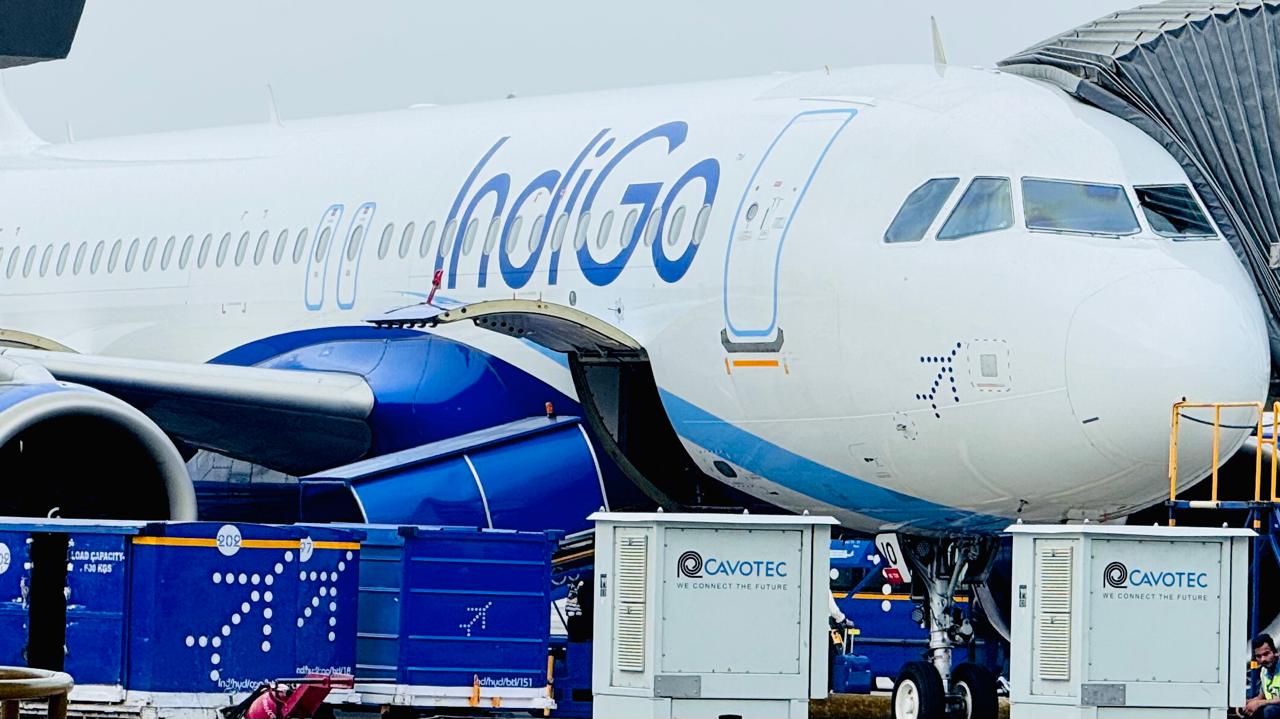
IndiGo’s Pilot Strength and Ratio
The data shows that IndiGo employs 5,200 pilots, the highest among Indian carriers. Of these, 4,230 are male pilots and 970 are female pilots, reflecting one of the largest pools of women airline pilots in the country.
However, when measured against its rapidly expanding fleet, IndiGo’s pilot-to-aircraft ratio stands at 7.6, which is among the lowest in the industry. Only Alliance Air has a lower ratio at 6, largely due to its smaller fleet and operational structure.
For a fast-growing airline like IndiGo, the lower ratio reflects the pressure that rapid fleet expansion places on pilot resources. The airline is already the country’s largest operator by fleet size and continues to induct aircraft at a pace unmatched by most regional peers.
Pilot Numbers Across Indian Airlines
According to the government data, India’s commercial airlines employ thousands of pilots across both narrow-body and regional fleets. The figures presented in Parliament show:
- IndiGo – 5,200 pilots (4,230 male, 970 female)
- Air India – 3,123 pilots (2,615 male, 508 female)
- Air India Express – 1,820 pilots (1,586 male, 234 female)
- Akasa Air – 761 pilots (685 male, 76 female)
- SpiceJet – 375 pilots (317 male, 58 female)
- Alliance Air – 115 pilots (90 male, 25 female)
These figures indicate that female pilots now form a visible segment of India’s cockpit workforce, particularly at IndiGo and Air India, which together account for the majority of women airline pilots in the country.
India has long been recognised globally for having one of the highest proportions of female commercial pilots, a trend that continues to strengthen as more women enter airline training pipelines.
Foreign Pilots in Indian Cockpits
Despite a large domestic pilot base, Indian airlines continue to employ a small number of foreign pilots, particularly during periods of fleet expansion.
The government data shows:
- IndiGo – 29 foreign pilots
- Air India Express – 48 foreign pilots
- Alliance Air – 15 foreign pilots
Foreign pilots are typically hired on contractual arrangements, often to bridge short-term gaps when aircraft induction outpaces pilot training capacity.
However, regulators have increasingly encouraged airlines to strengthen domestic training pipelines as India expands its aviation ecosystem.
Pilot-to-Aircraft Ratios Across Airlines
The pilot-to-aircraft ratios across airlines vary significantly depending on fleet size, network design and operational patterns.
The ratios presented to Parliament are as follows:
- SpiceJet – 9.4
- Akasa Air – 9.33
- Air India – 9.1
- Air India Express – 8.8
- IndiGo – 7.6
- Alliance Air – 6
Higher ratios generally indicate a larger buffer of pilots available for scheduling, training, and leave requirements, while lower ratios can place pressure on rostering during rapid fleet growth.
The Bigger Picture: India’s Aviation Expansion
The pilot availability debate comes at a time when India is witnessing one of the fastest aviation expansions in the world.
Indian airlines collectively have well over 1,500 aircraft on order, with major commitments led by IndiGo and Air India in recent years. These include large narrow-body orders as well as wide-body aircraft to support long-haul growth.
Industry projections suggest that India could require between 30,000 and 35,000 airline pilots over the next decade, driven by fleet expansion, retirement cycles, and new airlines entering the market.
This demand is already triggering investments in flight training organisations (FTOs), simulator infrastructure (ATO) and pilot cadet programmes across the country.
For airlines like IndiGo, which continues to grow aggressively, maintaining a healthy pilot-to-aircraft ratio will remain critical to sustaining operational reliability while supporting India’s rapidly expanding aviation market.